Yellow Bunny: A Romantic Script Typeface for Web Design
In the crowded landscape of digital experiences, the choice of typography often dictates the emotional resonance of a brand before a user reads a single word. As designers, we constantly search for typefaces that balance aesthetic charm with functional clarity. Enter Yellow Bunny, a romantic and sweet calligraphy typeface designed to make characters dance along the baseline. This font is not merely decorative; it is a strategic asset for web designers, UI creators, and digital product managers looking to inject a luxury spark into their projects. Whether you are crafting a high-conversion landing page or building a boutique online store, understanding how to deploy Yellow Bunny effectively can elevate your visual hierarchy and strengthen your brand identity.
The Visual Personality of Yellow Bunny in Digital Layouts
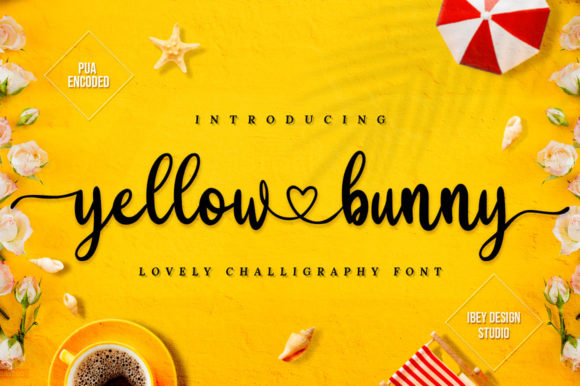
Yellow Bunny stands out within the Script Amp category due to its unique rhythm. Unlike rigid display fonts, this typeface mimics the fluid motion of hand-lettering while maintaining enough structure to remain legible on screens. The "dancing" nature of the characters creates a dynamic baseline, which adds an organic feel to otherwise static digital interfaces. For a web designer, this movement translates into engagement. When users scan a hero section, the eye is naturally drawn to the curvature and flow of the script, breaking the monotony of standard sans-serif headers.
The personality of Yellow Bunny is inherently warm and inviting. It carries a sense of sweetness and romance, making it an ideal candidate for brands in the lifestyle, wedding, beauty, coaching, and creative industries. However, its utility extends beyond niche markets. In modern typography, there is a growing trend toward humanizing digital products. Using a handwritten font like Yellow Bunny in key areas signals approachability and authenticity, fostering a deeper connection between the user and the interface.
Strategic Placement: Where Yellow Bunny Shines
While Yellow Bunny is visually striking, its application requires precision. In web design, every pixel serves a purpose, and decorative scripts should be used to guide attention rather than distract. Here is how to integrate this premium font into various digital environments:
- Hero Sections and Headlines: Use Yellow Bunny for main H1 tags on landing pages. Its size and style command immediate attention, perfect for value propositions that need to feel personal and exclusive.
- Call-to-Action (CTA) Buttons: While body text in buttons should usually be clean, short phrases in Yellow Bunny can create a sense of urgency mixed with elegance. Try using it for phrases like "Join Us" or "Shop Now" on high-end fashion sites.
- Logo Design and Branding: For startups and creatives, Yellow Bunny offers a ready-made solution for logo text. It works exceptionally well as a standalone mark or paired with a simple icon.
- Section Dividers and Accents: Break up long blocks of content by using Yellow Bunny for transitional phrases. This helps maintain visual interest without overwhelming the reader.
- Social Media Graphics: Consistency across platforms is key. Use this font for Instagram stories, banner ads, and promotional posts to ensure your brand voice remains uniform from web to social.
Optimizing Readability and Visual Hierarchy
A common pitfall when using script fonts in UI design is sacrificing readability for style. Yellow Bunny avoids this trap when used correctly, but designers must respect its limitations. Because the characters dance along the baseline, tight kerning or small sizes can cause letters to merge, reducing legibility. Therefore, Yellow Bunny is best suited for larger point sizes typically found in headings and titles rather than body copy.
To ensure optimal scanning behavior, pair Yellow Bunny with a highly readable sans serif font for paragraphs and navigation menus. This contrast creates a clear visual hierarchy: the script grabs attention, while the sans-serif ensures information is consumed efficiently. On mobile screens, where space is limited, increase the line height and letter spacing slightly to accommodate the fluid nature of the glyphs. Always test your layouts on different devices to ensure the "luxury spark" doesn't turn into visual noise on smaller viewports.
Mastering Font Pairing for Modern Typography
The success of Yellow Bunny in a digital project often hinges on its pairing strategy. To achieve a professional and polished look, consider the following combinations:
- With Clean Sans Serifs: Pairing Yellow Bunny with a geometric or grotesque sans serif (like Montserrat or Open Sans) creates a contemporary balance. The starkness of the sans-serif grounds the whimsy of the script, making it suitable for SaaS founders or tech-forward creative agencies.
- With Editorial Serifs: For a more classic or luxurious feel, combine Yellow Bunny with a refined serif font. This combination works beautifully for blog headers, course sales pages, and editorial-style websites, evoking a sense of tradition and quality.
- Monochromatic Themes: When using Yellow Bunny on dark backgrounds, ensure sufficient contrast. Lighter weights may struggle against dark modes, so adjust opacity or stroke weight if necessary. Conversely, on light backgrounds, the font's curves stand out sharply, enhancing the "sweet" aesthetic.
Technical Considerations and Licensing
From a technical standpoint, Yellow Bunny is encoded with PUA (Private Use Area), which means it includes special characters and ligatures that enhance its calligraphic quality. When implementing this font for web use, ensure you have access to the appropriate file formats, such as WOFF2 and TTF, to guarantee cross-browser compatibility. Check if the package includes alternates or multiple weights, as these variations allow for greater flexibility in responsive layouts.
Licensing is another critical factor for digital product creators. If you are designing for clients, building online stores, or creating templates for sale, verify that your license covers commercial web usage. Many premium fonts require specific webfont licenses for embedding via @font-face or services like Google Fonts. Using a font without the correct commercial rights can lead to legal complications, especially for public-facing websites and digital assets. Always review the End User License Agreement (EULA) to ensure compliance for your specific project scope, whether it is a single landing page or a full-scale e-commerce platform.
Elevating Your Brand Identity
In the end, Yellow Bunny is more than just a collection of characters; it is a tool for storytelling. By integrating this romantic and sweet calligraphy typeface into your design workflow, you offer your audience an experience that feels curated and thoughtful. Whether you are launching a new product, redesigning a portfolio, or refreshing a brand kit, the right font can transform a good layout into a great one. Embrace the fluidity of Yellow Bunny to create digital spaces that not only look beautiful but also communicate trust, warmth, and professionalism.